Currently on / 01
go-e Portal: managing EV chargers at scale
- Client
- go-e
- Product
- go-e Portal — cloud web app for chargers & controllers
- Role
- Product & Design Lead, Product Owner
- Users
- Fleet & property managers, installers, home users
# The customer
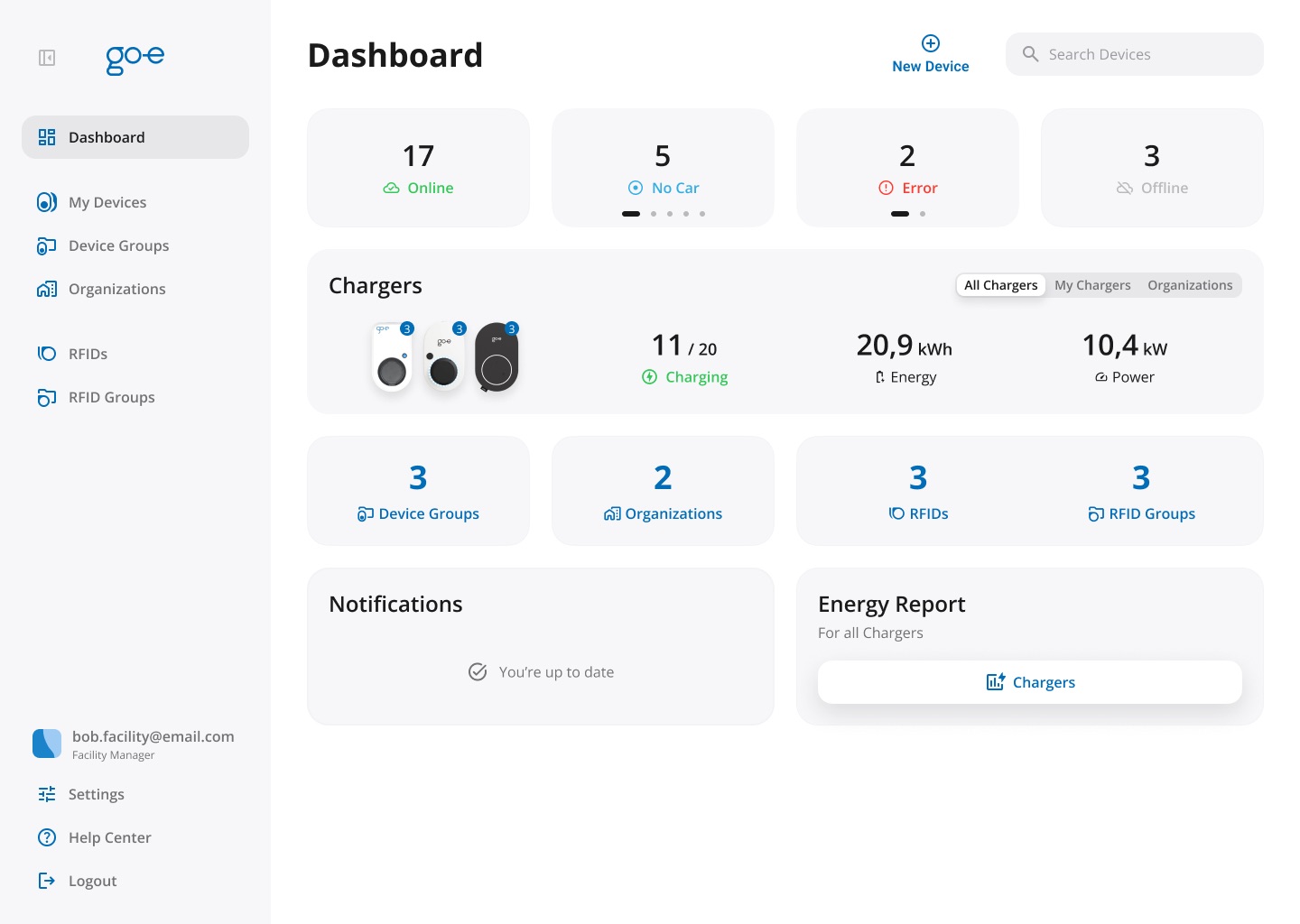
go-e builds smart EV chargers and energy controllers for homes and businesses across Europe.
As more customers moved from a single wallbox at home to dozens of chargers across car parks, offices and housing, managing devices one by one in the mobile app stopped scaling. The go-e Portal is the cloud web app where they monitor, configure and bill their charging infrastructure.
# The problem
- Setting up many devices meant repeating the same configuration charger by charger
- Access control (RFID cards) and charging costs were hard to manage across sites and people
- Fleet and property managers lacked a clear overview: what is charging, what is offline, what needs attention
- Installers and owners need different things from the same devices, with different permissions
# My role
Besides leading design, I acted as Product Owner for the Portal, working with engineering, firmware, support and sales:
Product ownership
- Owned the backlog and wrote user stories with acceptance criteria
- Prioritised by customer impact, effort and business goals
- Shaped releases with engineering and ran refinement sessions
Product management
- Built an outcome-oriented roadmap for B2B features (organisations, billing, automation)
- Aligned stakeholders across support, sales and partners
- Ran recurring design reviews to keep design and delivery in sync
# Research
We started from support tickets, sales feedback and interviews with business customers and installers, and grouped what we heard into two primary personas.
Bob
Fleet / property manager
Manages many chargers across locations. Wants an at-a-glance status, control over who can charge, and clean consumption and cost reports for billing.
Ivan
Installer / technician
Sets up dozens of devices on site. Needs a fast, error-proof setup, protected technical settings (grid, load balancing, digital inputs) and reusable configurations.
Example study: validating the setup flow
One of the studies we ran along the way, to show how research shaped the product:
Question
What is the fastest, most error-proof way to configure many devices into the Portal at once?
Method
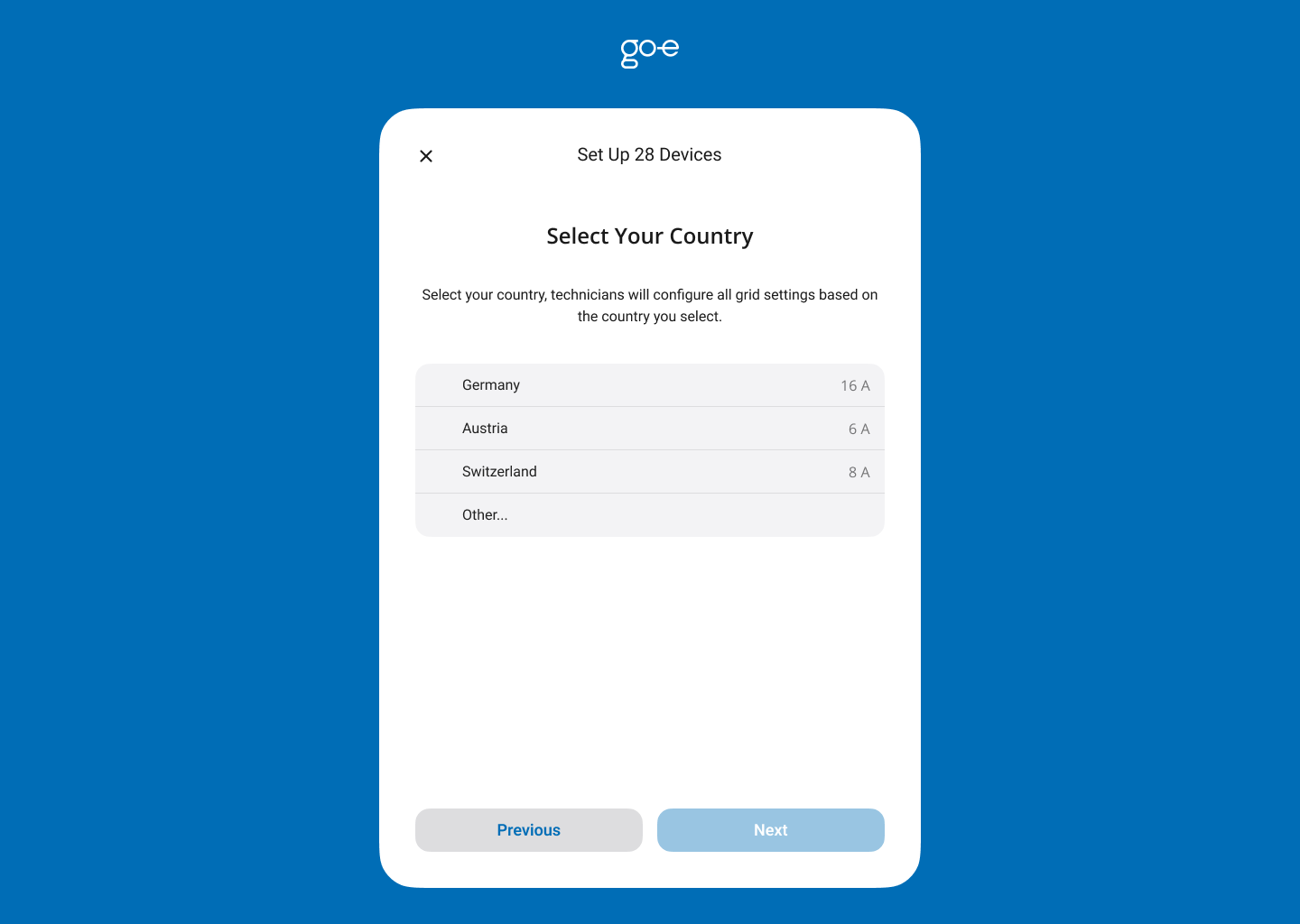
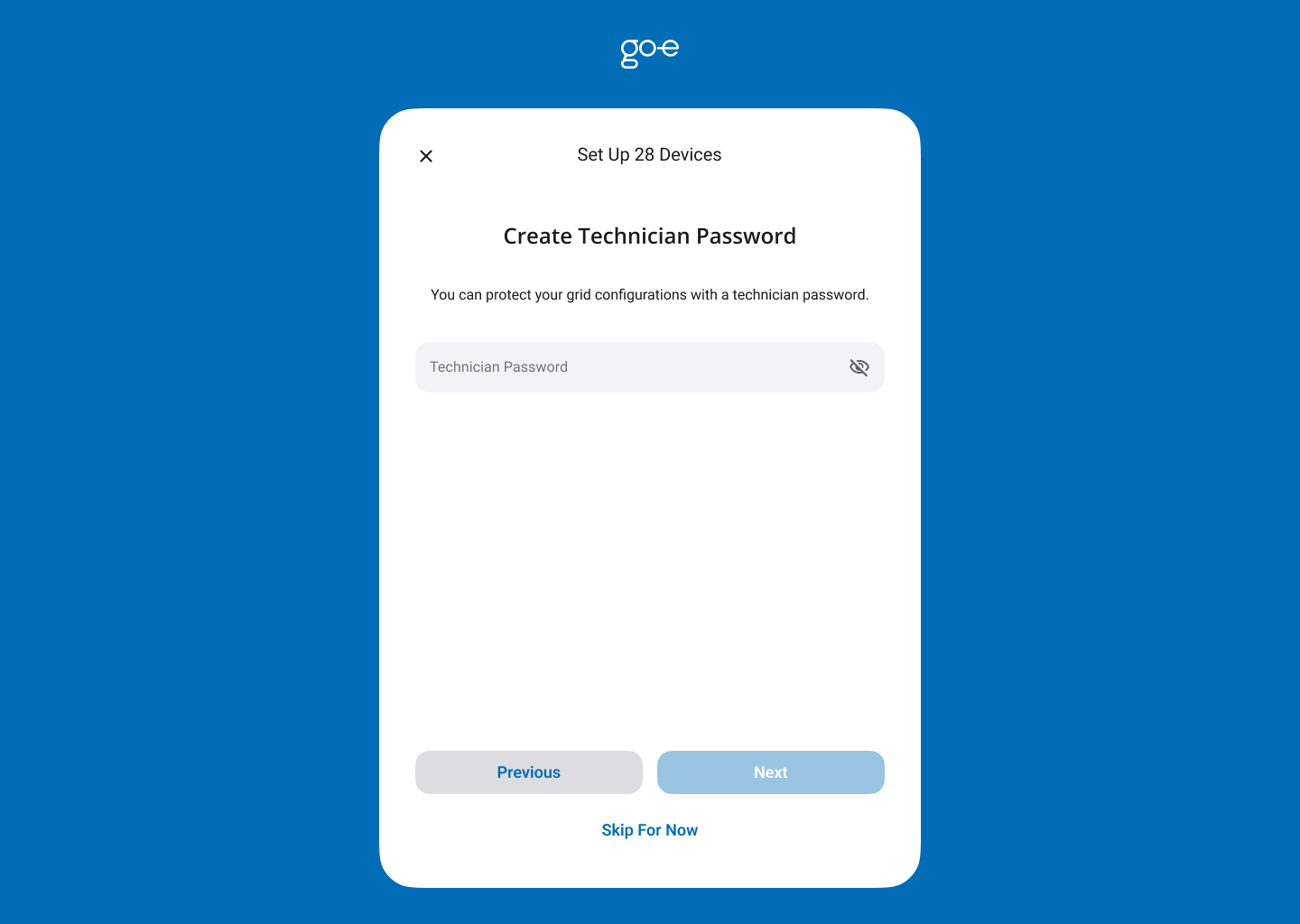
Two clickable prototypes — a navigable tree of locations, groups and devices, and a guided wizard with multi-device codes — tested with Bob- and Ivan-like users.
Result
The wizard won on speed and confidence for first-time setup; the tree stayed as the way to manage devices afterwards.
# What we built
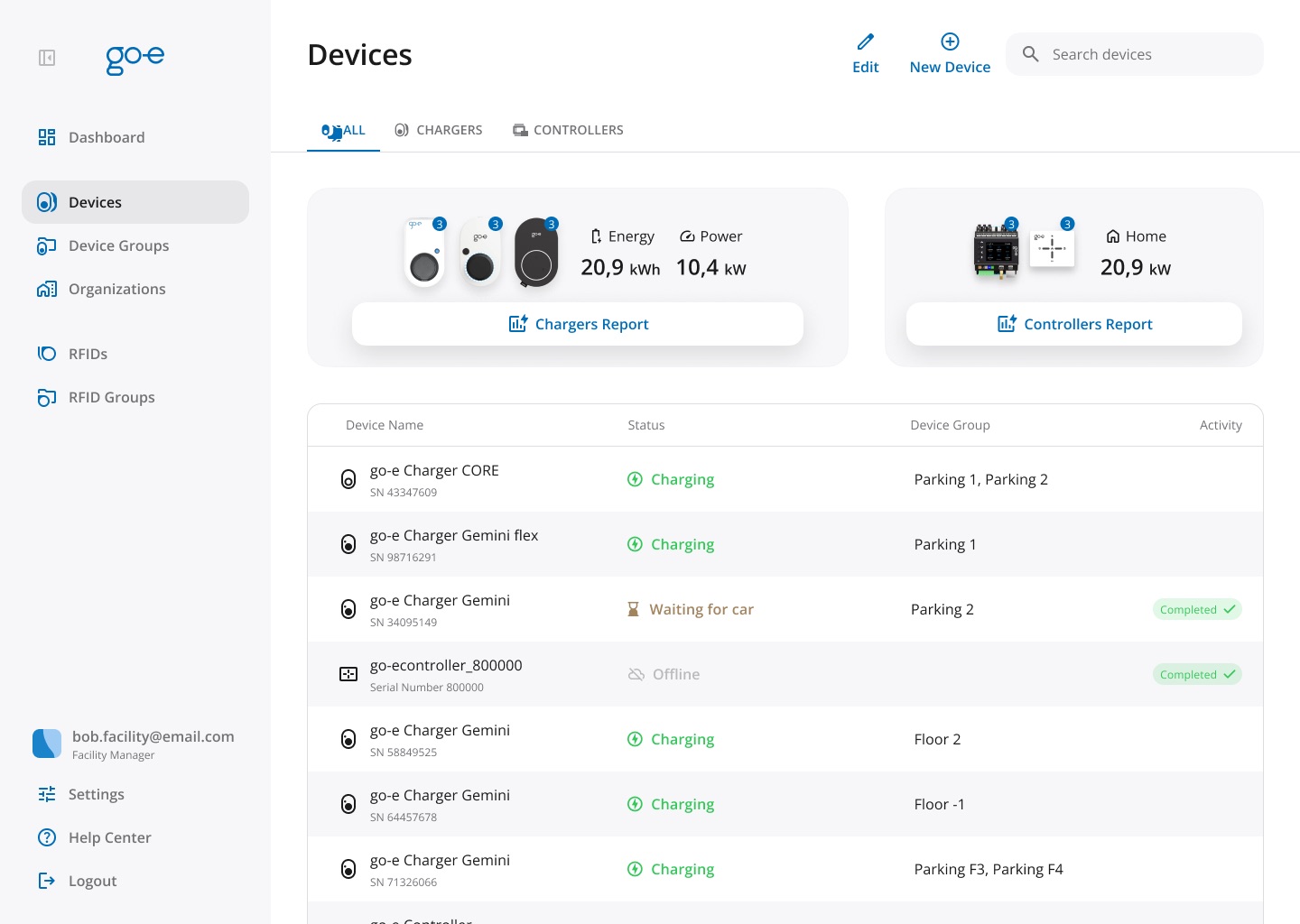
Device overview & details
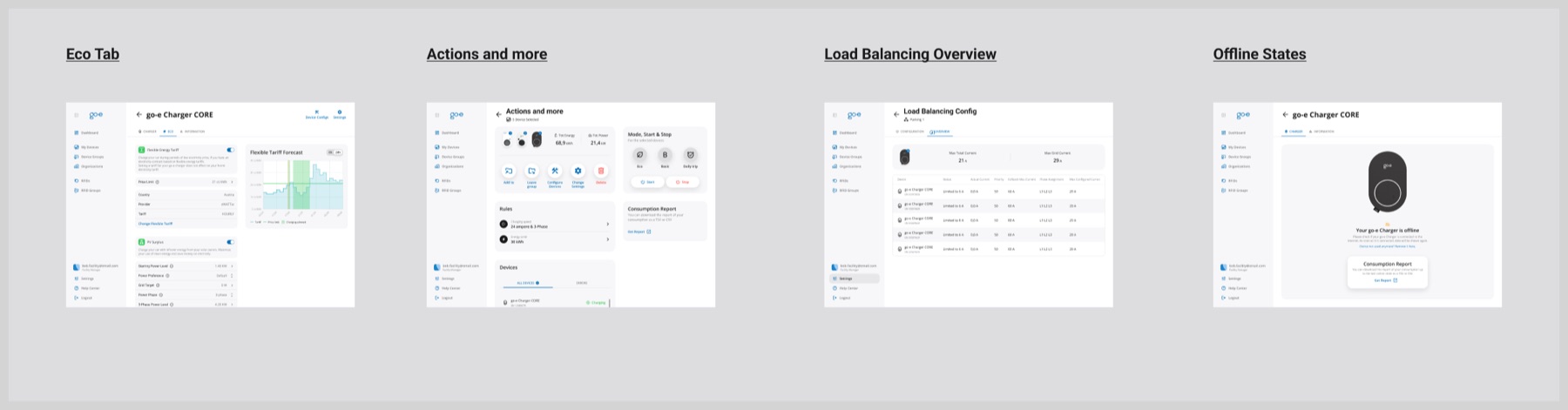
A device list with filters and groups, and a charger page that puts live status, consumption and access on one screen.

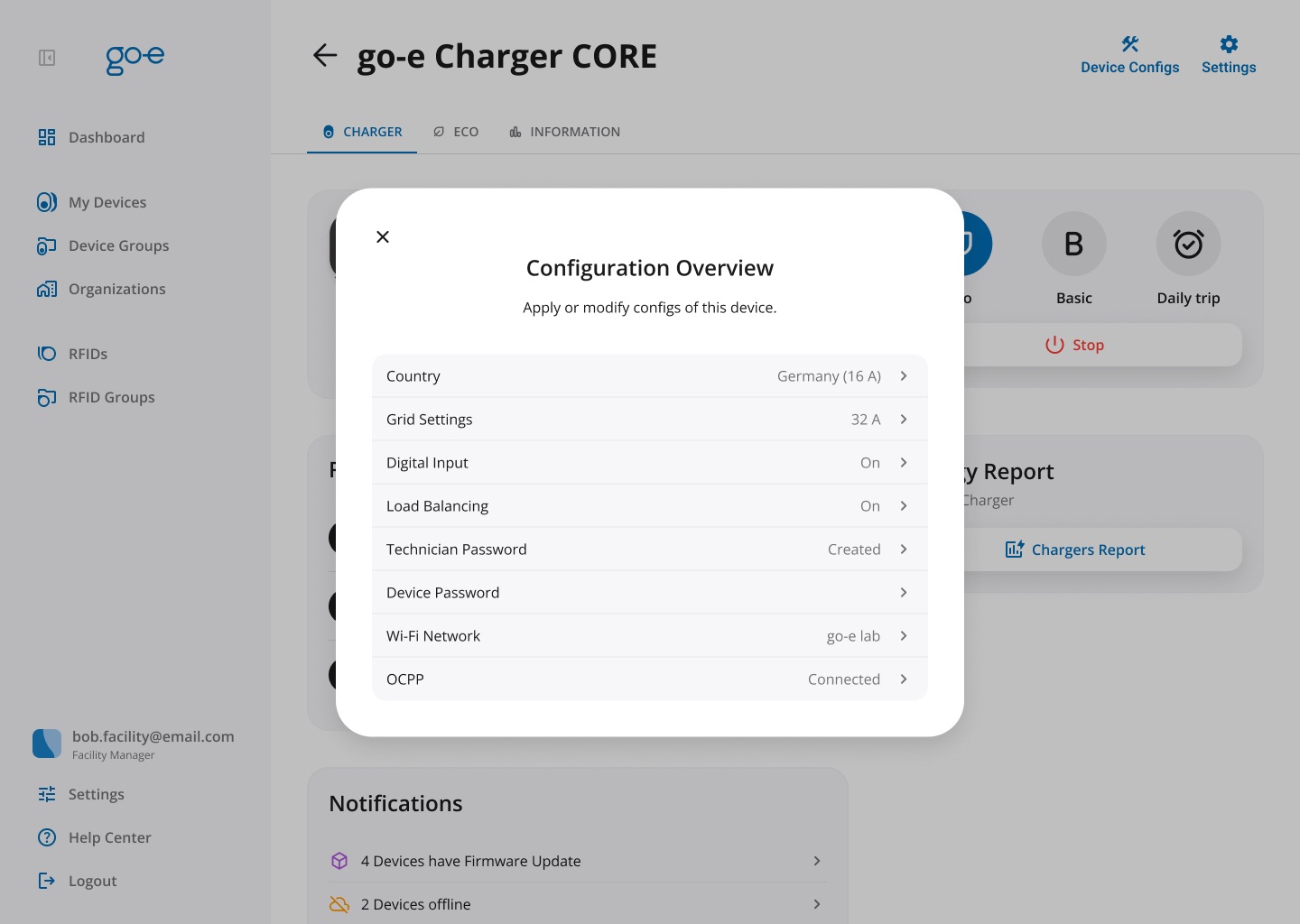
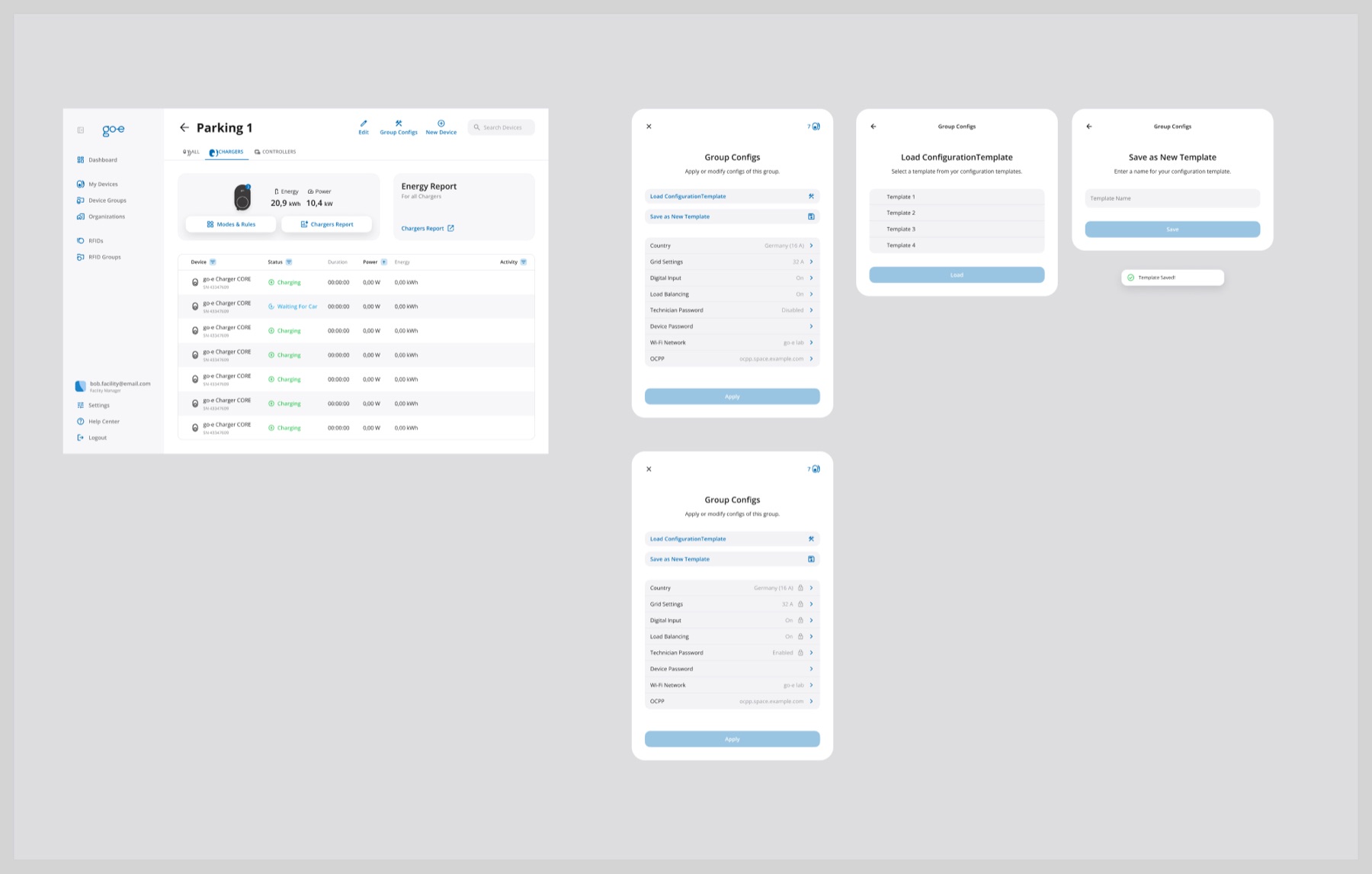
Configuration — single & multiple devices
One configuration overview per charger, and the same settings applied to a group or a selection of devices at once — with grid and other technical settings protected for installers.
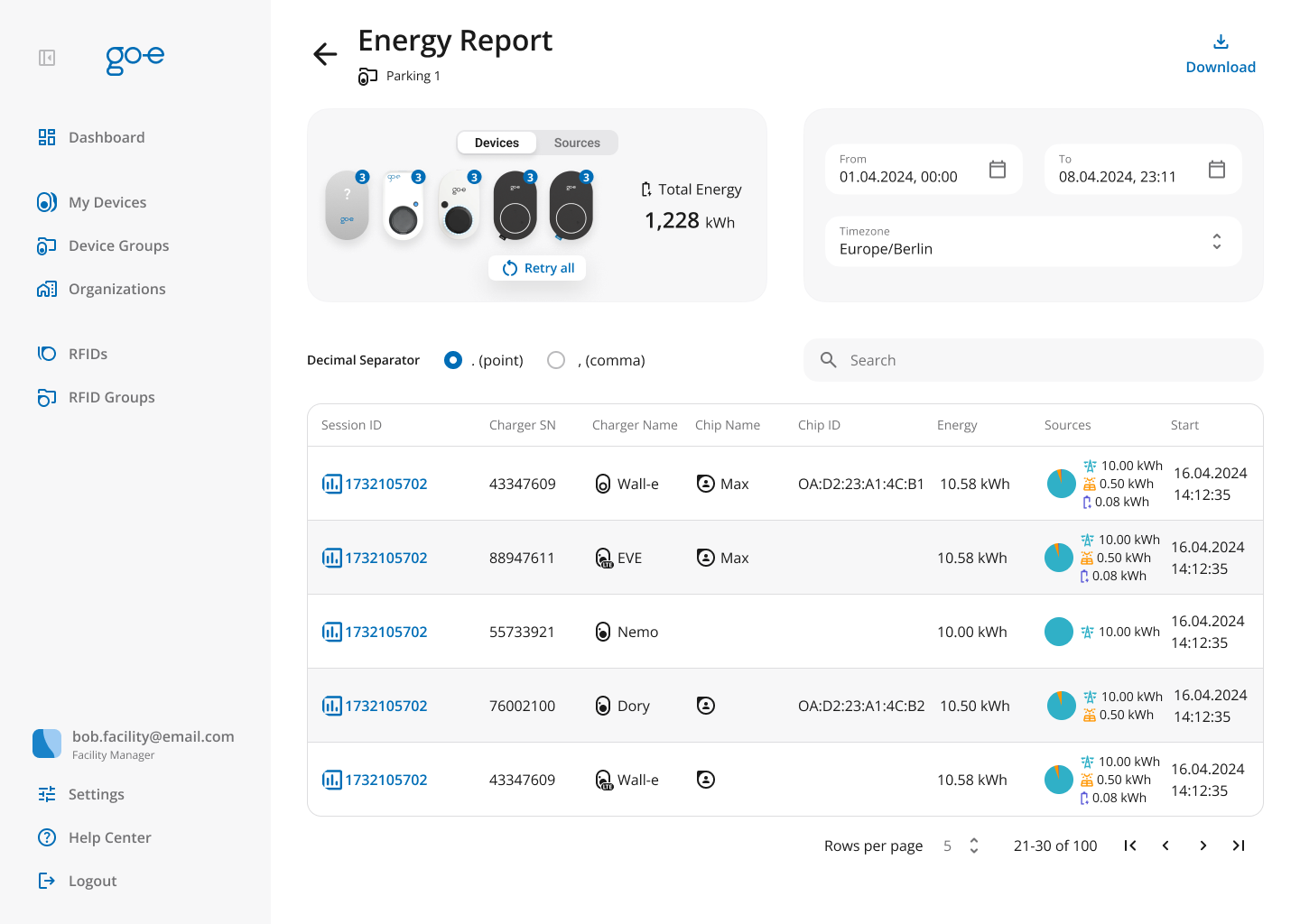
Reporting
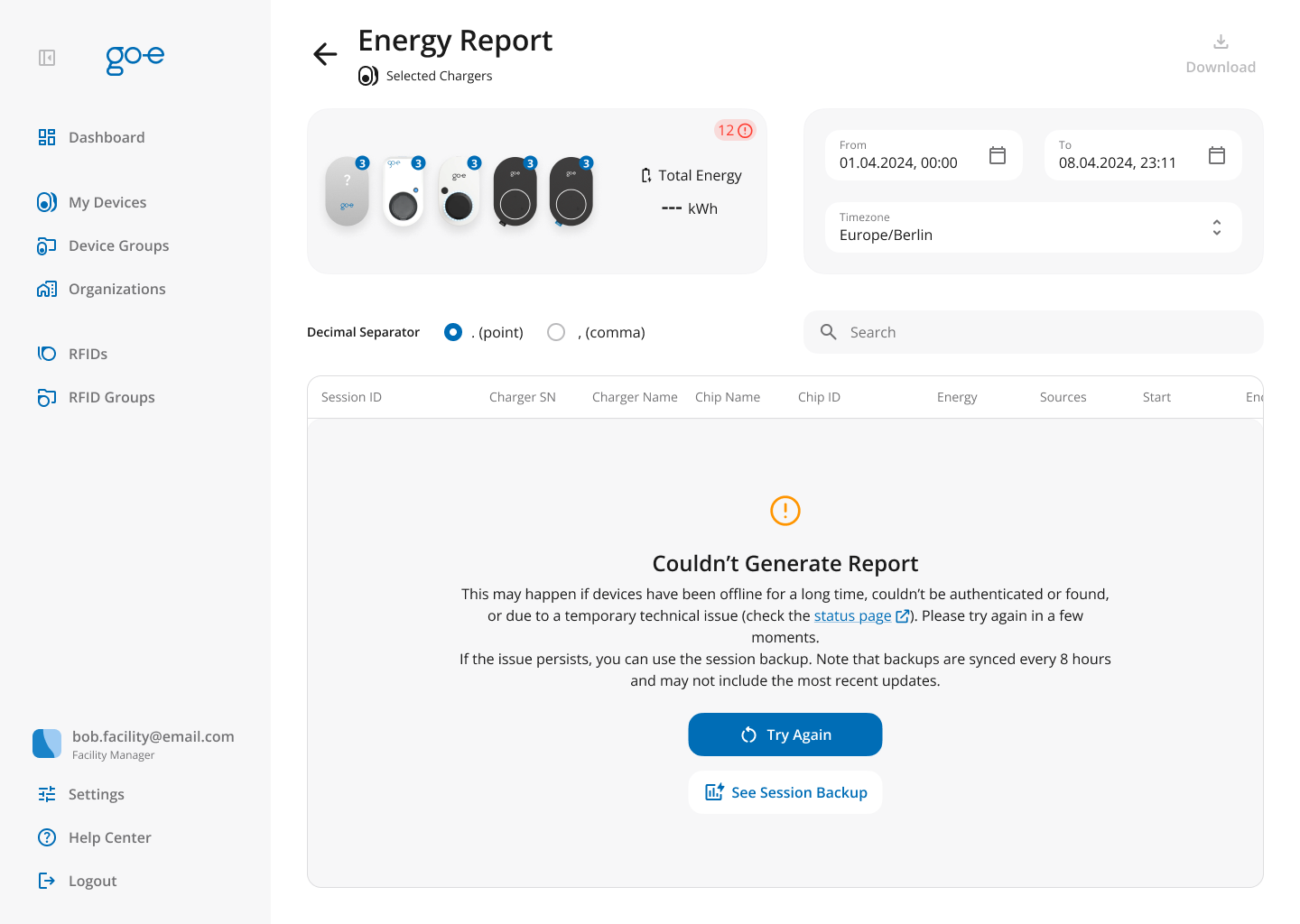
Energy reports generated on request for any selection of chargers and period, with a clear fallback when a charger can't deliver its data.
Load balancing
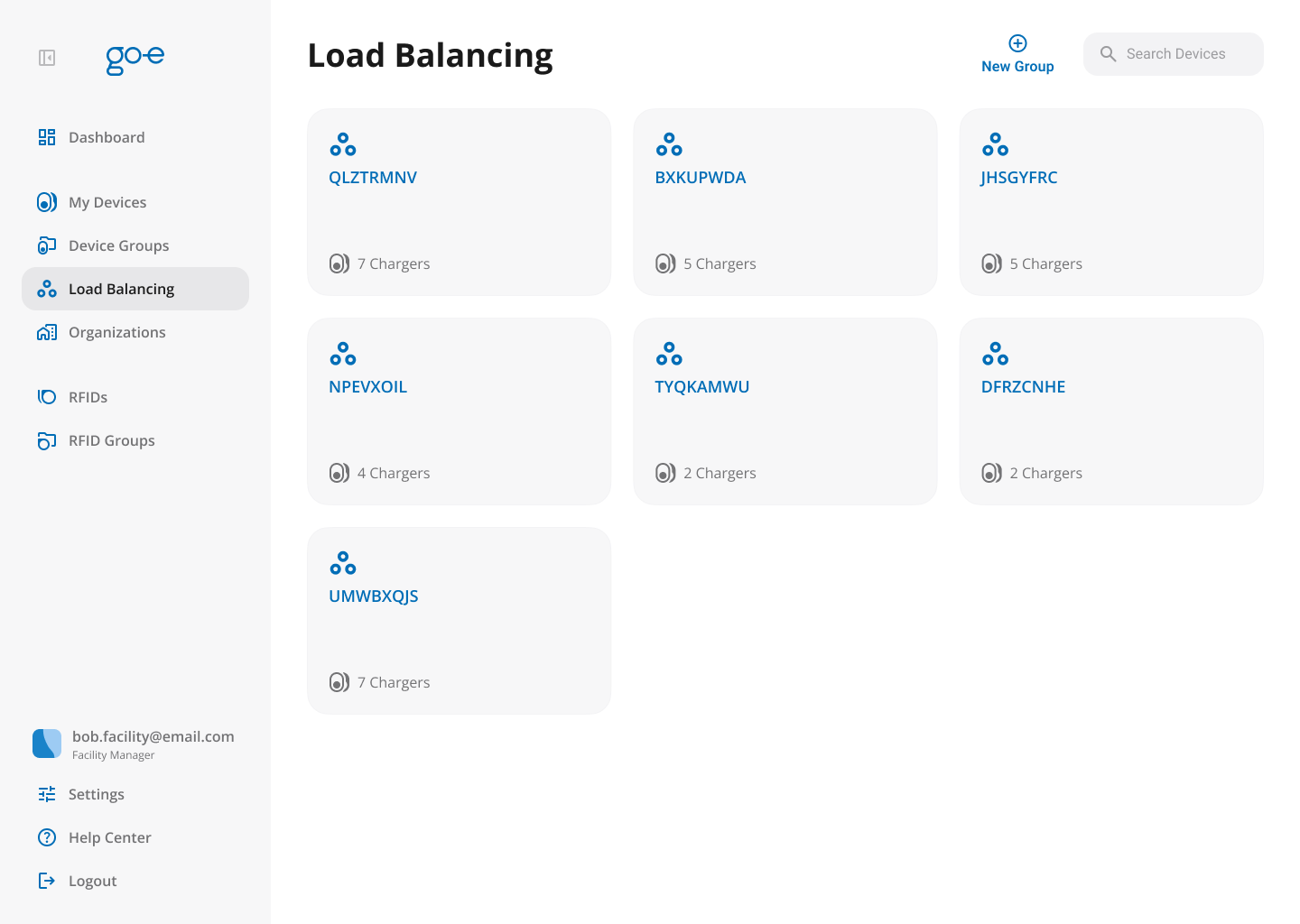
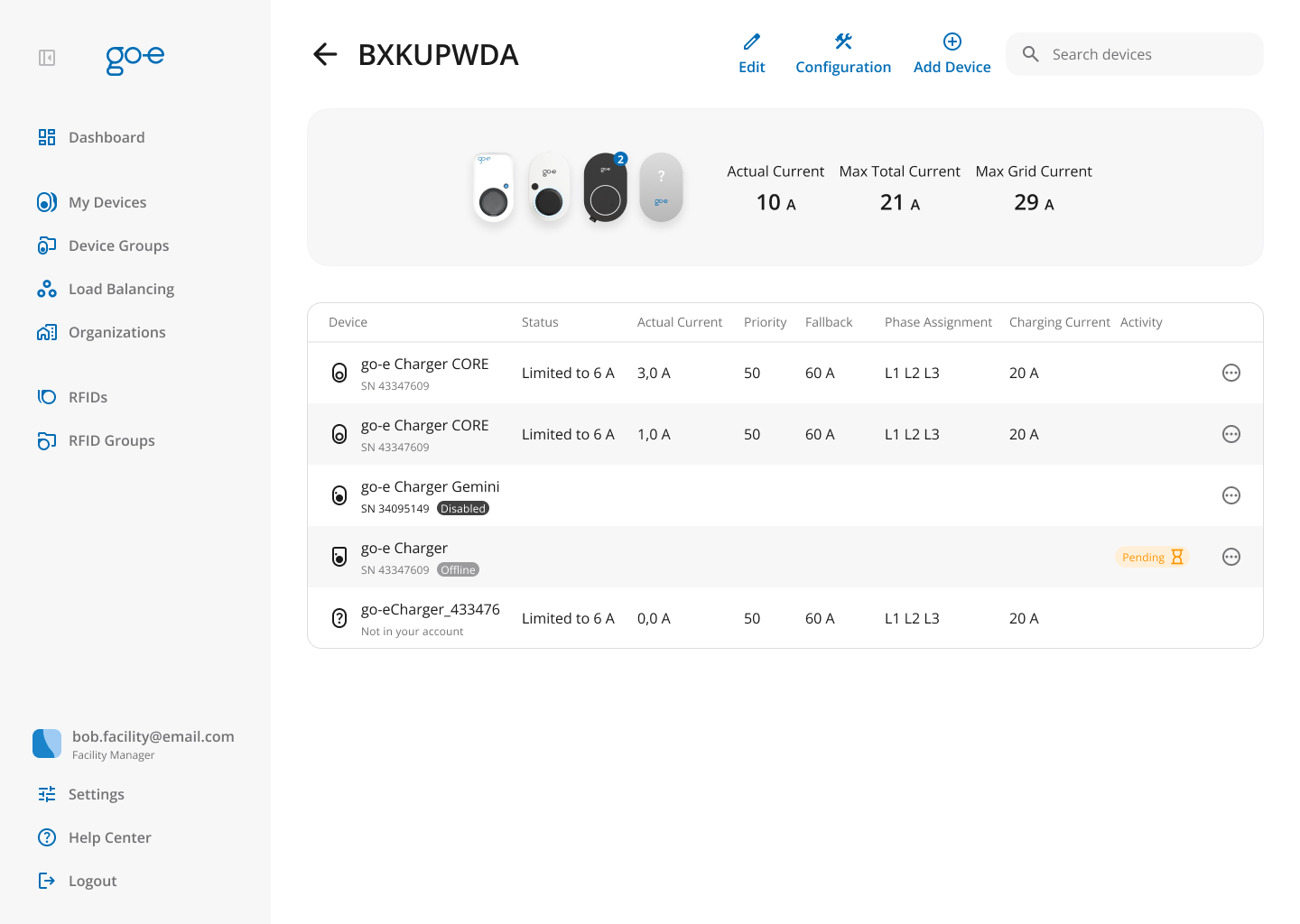
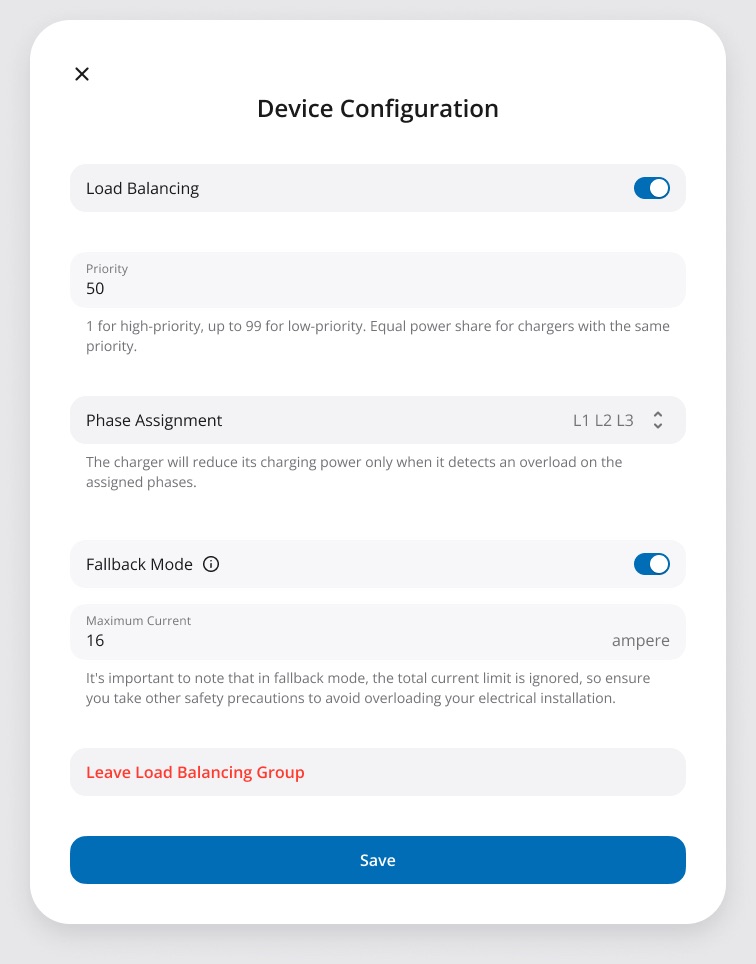
Group chargers that share a connection, set the available current and let the Portal distribute it — with a per-device view of limits and phases.
And more to come 🙂
# Challenges
| Challenge | How we overcame it | What we would do differently |
|---|---|---|
| Very different users (owners, managers, installers) on the same product. | Personas and roles drove permissions and defaults; technical settings were moved behind the installer role. | Recruit a standing panel of business customers and installers earlier, to validate continuously instead of per feature. |
| Hardware and firmware constraints shaping what the Portal could offer. | Close pairing with firmware and backend during refinement; technical spikes before committing to the roadmap. | Bring firmware into discovery from day one, not only into delivery. |
# Outcomes
Setup at scale
Multi-device setup and group configuration replaced charger-by-charger configuration for business customers.
Validated before built
Key flows (onboarding, configuration, reporting, load balancing) were tested with real customers and installers before development.
A B2B roadmap
Configuration, reporting, load balancing and organisations planned and delivered as one coherent roadmap.
One team rhythm
Recurring design reviews and refinement kept product, design and engineering aligned release to release.
# Try it
The go-e Portal is live for go-e device owners and businesses.